
Why Does Skin Get Drier in Fall? Causes, Signs & Skincare Tips


If your skin suddenly feels tight, flaky, rough, or more sensitive when fall arrives, you're not imagining it. Cooler temperatures, lower humidity, and indoor heating can make it harder for your skin to retain moisture. Hot showers, harsh cleansers, and over-exfoliation can make the problem worse.
The good news? You don't necessarily need an entirely new skincare routine. A few seasonal adjustments can help your skin stay comfortable and hydrated as the weather changes.
Why Does Skin Get Drier in Fall?
Fall brings several environmental changes that can affect the skin's ability to stay hydrated.
1. Humidity Drops as Temperatures Cool
One of the biggest reasons skin feels drier in fall is the change in humidity.
Cooler weather often comes with drier air. When there is less moisture in the surrounding environment, skin can lose moisture more readily, leaving it feeling tight, rough, or flaky.
Your outermost skin layer, the stratum corneum, helps regulate water loss and protect the skin from the environment. When that barrier isn't functioning optimally, moisture can escape more easily.
The American Academy of Dermatology lists cold, dry weather and low humidity among common contributors to dry skin.
2. Indoor Heating Can Dry the Air
Fall doesn't necessarily give your skin a break when you come indoors.
As temperatures drop, furnaces, radiators, and other heating systems become more common. Heated indoor air can have relatively low humidity, adding to the drying effect.
So your skin may be moving between:
Cool, dry outdoor air → heated indoor air → cool outdoor air again.
If your home feels particularly dry, a humidifier may help add moisture to the air.
Learn more about how indoor heating worsens dry skin.
3. Your Skin Barrier May Need More Support
Your skin barrier helps keep moisture in while protecting the skin from external irritants.
If you're dealing with persistent sensitivity or signs of a compromised barrier, read our guide on how to repair a damaged skin barrier.
Seasonal changes can affect skin hydration, oil production, and moisture loss, although the extent varies from person to person and with environmental conditions.
That's why fall skincare isn't simply about adding more water to the skin. It's also about helping your skin retain the moisture it already has.
4. Hot Showers Can Make Dryness Worse
When the temperature drops, a long, hot shower can feel irresistible.
Unfortunately, hot water can remove some of the skin's natural oils and aggravate dryness, especially if your skin is already sensitive.
The AAD recommends using warm rather than hot water and keeping showers relatively short when dealing with dry skin.
Try this instead:
Warm water + a shorter shower + moisturizer afterward.
Pat your skin gently rather than rubbing it dry, and apply moisturizer while the skin is still slightly damp.
5. Your Summer Skincare Routine May No Longer Be Enough
A lightweight gel moisturizer can feel perfect during a hot, humid summer. But when humidity drops, your skin may prefer something more nourishing.
That doesn't mean you need a thick, greasy cream. It simply means your skin may benefit from a formula that provides longer-lasting moisture and supports the skin barrier.
Look for moisturizing ingredients such as glycerin, hyaluronic acid, ceramides, shea butter, and other emollients or occlusives, depending on your skin type.
6. Over-Exfoliation Can Add to the Problem
Fall dryness can make your complexion look dull, which may tempt you to exfoliate more often.
Be careful.
If your skin is already dry, tight, or irritated, aggressive scrubbing or frequent use of exfoliating acids may make discomfort worse.
Instead of trying to remove every dry patch, focus on restoring comfort and supporting your skin barrier.
Sometimes the best fall skincare move is doing a little less.
How Do You Know Fall Is Drying Out Your Skin?
You may notice:
- Tightness after cleansing
- Rough or flaky patches
- More visible fine lines
- Itching or sensitivity
- Makeup settling into dry areas
- Skin feeling drier again shortly after moisturizing
- Dryness around the nose, cheeks, or mouth
Dry skin can also become cracked or painful when it becomes severe. If symptoms are persistent or significant, don't automatically assume the weather is responsible.
Dry Skin vs. Dehydrated Skin: What's the Difference?
These terms are often used interchangeably, but they aren't quite the same.
| Dry Skin | Dehydrated Skin |
|---|---|
| Usually refers to a skin type with less oil | Refers to a lack of water |
| Can be persistent | Can be temporary |
| May feel rough, tight, or flaky | May feel tight, dull, or less supple |
| Often benefits from richer moisturization | May benefit from water-binding ingredients such as humectants |
You can also have oily skin that is dehydrated. So if your face looks shiny but still feels tight, adding more oil isn't necessarily the answer. Your skin may need more water and a better-balanced moisturizing routine.
How to Prevent Dry Skin in Fall
If your skin gets dry when the weather changes, the shift from warm, humid summer conditions to cooler, drier fall weather may be part of the reason.
You don't need a complicated 12-step routine. Start with these simple changes.
Use a gentle cleanser
Avoid unnecessarily stripping your skin. If your face feels tight immediately after cleansing, consider switching to a gentler formula.
BelleCôte Paris Marine Collagen Anti-Aging Cleanser with Marine Collagen Peptides offers a creamy cleansing step designed to remove impurities while keeping the cleansing experience gentle and comfortable.

Moisturize while skin is slightly damp
Applying moisturizer while your skin is slightly damp can help trap moisture in the skin.
Choose a more nourishing moisturizer
If your summer moisturizer no longer feels sufficient, consider moving to a cream or richer moisturizing formula.
For normal-to-dry, sensitive, or dehydrated skin, BelleCôte Paris Day Light Moisturizer combines ingredients including hyaluronic acid, glycerin, shea butter, and a ceramide complex. It can fit naturally into a fall routine when skin needs more consistent moisture.
Explore our full guide on when and why to switch to a richer moisturizer in fall.
Optional treatments
If dullness is one of your concerns after summer, an antioxidant serum can be added before moisturizer. BelleCôte's Vitamin C-3 Serum is designed to complement a morning routine before moisturizer and sunscreen.

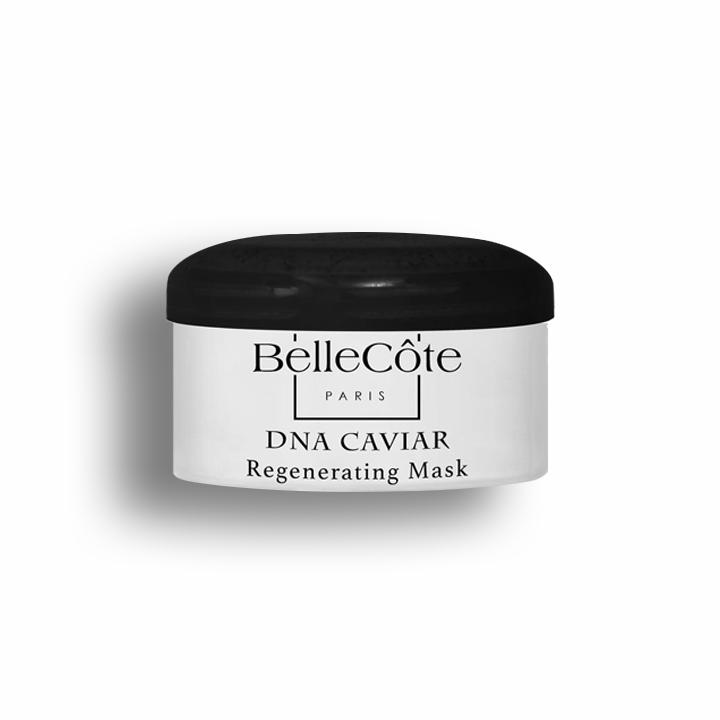

If your skin feels particularly dry or looks dull, an occasional nourishing mask can also be a useful addition to your routine. BelleCôte Paris DNA Caviar Regenerating Mask combines ingredients including hyaluronic acid, marine collagen and elastin and is designed for dry, aging and mature skin.
Don't over-exfoliate
If your skin is stinging, peeling, or unusually sensitive, reduce exfoliation rather than trying to scrub away the flakes.
Keep showers warm, not hot
Your skin will thank you for this small change.
Consider a humidifier
If your indoor air becomes particularly dry once the heating comes on, a humidifier can help increase moisture in the environment.
Keep wearing sunscreen
Cooler temperatures don't mean UV exposure disappears. Keep broad-spectrum sunscreen in your morning routine year-round. BelleCote’s Double Sun Protection Mineral Sunscreen can be applied as the final step of your morning skincare routine.
Read our detailed article on: Do You Still Need Sunscreen in October? What to Look for in a Fall SPF.
When Should You See a Dermatologist?
Most seasonal dryness can be managed with basic skincare and environmental changes.
However, speak with a dermatologist if you develop:
- Deep or painful cracks
- Bleeding
- Severe or persistent itching
- Significant redness
- A persistent rash
- Repeated eczema flares
- Dryness that doesn't improve with appropriate skincare
Very dry skin can sometimes be related to an underlying skin condition or medication rather than simply the weather.
The Bottom Line
Fall doesn't automatically mean your skin needs a completely new routine. It means the environment around your skin has changed.
As temperatures and humidity drop, your skin may need a little more help retaining moisture. Keep cleansing gentle, moisturize consistently, avoid very hot water and excessive exfoliation, and continue protecting your skin with sunscreen.
And if your summer moisturizer suddenly isn't cutting it, that's your skin giving you useful information, not necessarily asking for ten new products.
Sometimes a better fall routine is simply a gentler, more moisturizing version of the routine you already have.
Frequently Asked Questions
0 comments