
How to Start Using Retinol: A Beginner’s Week-by-Week Schedule


Starting retinol doesn’t have to mean dealing with weeks of redness and peeling. The key is knowing how often to use it, how to apply it, and when to give your skin a break.
Traditional retinol products can sometimes cause dryness, redness, and flaking, particularly when first introduced. However, skincare formulations continue to evolve, with stabilized and slow-release retinol designed to deliver the ingredient more gradually.
BelleCôte Paris's PM Perfect Advanced Recovery Night Repair Retinol Serum is a next-generation nighttime treatment, combining natural retinol with antioxidants and skin-conditioning ingredients in a slow-release formula.
In this guide, we'll explain how to introduce retinol into your routine, what to know about newer formulations, and how to build a nighttime skincare routine that works for your skin.
What Is Retinol, and What Does It Do?
Retinol is a form of vitamin A used in skincare to support skin renewal. With consistent use, it may help improve the appearance of fine lines, uneven skin tone, and rough texture.
Retinol works gradually, so results aren't usually immediate. The time it takes to notice a difference depends on the formulation, the skin concern being addressed, and how consistently you can use the product.
However, retinol can cause dryness, redness, flaking, or irritation, especially when you first introduce it. This is why choosing an appropriate formulation and following its directions are important.
Not all retinol products use the same formulation technology. Stabilized and slow-release formulas are designed to help manage retinol's stability and delivery, potentially making them more comfortable to use than some conventional formulations.
Before You Start: Choose the Right Retinol
A few simple steps can make your first experience with retinol more manageable.
Choose a Suitable Formula
If you're new to retinol, look for a clearly labelled product with straightforward application instructions. The concentration, formulation, and recommended frequency of use all matter.
If you're interested in a newer-generation formulation, BelleCôte's PM Perfect Advanced Recovery Night Repair Retinol Serum features stabilized retinol, derived from Baobab Oil, White Rosehips Oil, Carrot Seed Oil and Apricot Kernel Oil, a slow-release formula with antioxidants, and skin-conditioning ingredients. It is an overnight treatment designed to improve the appearance of fine lines, uneven skin tone, and rough texture.
It takes decades of research to design one of the most potent and natural retinols: it's the only topical ingredient that can actually reverse some signs of aging, not just prevent them. It works by increasing cell turnover and stimulating collagen production deep in the dermis.
Important: Retinol belongs to the retinoid family, which includes several forms of vitamin A used in skincare. These ingredients differ in strength, availability, and potential for irritation.
If you're unsure which type may suit your routine, read our guide to the difference between retinol and retinoids to understand how they differ in strength, formulation, and use.
Keep your routine simple
When introducing retinol, avoid adding several new active ingredients at the same time.
A basic routine should include:
- A gentle cleanser.
- A suitable moisturizer.
- A broad-spectrum sunscreen with SPF 30 or higher for daytime use.
- Retinol in your evening routine, following the product's instructions.
Patch-test first
Before introducing a new retinol product, test it on a small area of skin according to the manufacturer's instructions. Monitor the area for signs of irritation before applying the product more widely. A patch test can help identify a possible reaction, but it cannot guarantee that irritation won't occur.
For more advice on protecting sensitive skin, read our guide to fall's skincare routine for sensitive skin.
How to Start Using Retinol: Your Week-by-Week Schedule
The following is a general starting point, not a strict rule. Your skin may need more time at each stage, and the product's instructions should take priority.
| Time | How Often to Use Retinol | What to Do |
|---|---|---|
| Weeks 1–2 | Once a week | Apply a small amount and monitor your skin for dryness or irritation. |
| Weeks 3–4 | Up to twice a week | Increase frequency only if your skin is comfortable. |
| Weeks 5–6 | Two or three nights a week | Maintain your current frequency if you notice dryness or sensitivity. |
| Weeks 7–8 | Every other night, if tolerated | Continue only if your skin is comfortable. There is no need to progress further if less frequent use suits you. |
BelleCôte recommends nightly use of PM Perfect as it is designed to support overnight skin renewal, targets uneven texture and visible signs of ageing for a more youthful-looking complexion. It also helps improve the appearance of fine lines, wrinkles, pigmentation, and enlarged pores while promoting smoother, firmer, brighter-looking skin. It not only prevents aging but also reverses it.
Weeks 1–2: Start With One Application
Choose one evening to introduce retinol into your routine. Apply it as directed and follow with moisturizer.
Mild dryness or slight flaking can occur, but you shouldn't feel that you have to endure irritation for the product to work. If your skin becomes uncomfortable, pause use and allow it to recover.
Weeks 3–4: Increase Slowly, If Comfortable
If your skin has tolerated the first applications, you can consider using retinol twice a week, leaving several days between applications.
If you're still experiencing dryness, redness, or stinging, stay at your current frequency or take a break. Moving to the next stage is optional, not a deadline.
Weeks 5–6: Find a Sustainable Frequency
If your skin remains comfortable, you may gradually increase use to two or three nights a week. Continue moisturizing and avoid adding several other active ingredients to your routine at the same time.
If irritation develops, reduce the frequency or stop until your skin settles.
Weeks 7–8: Maintain What Works
By this stage, some people may tolerate retinol every other night. Others may prefer less frequent use.
Your ideal routine depends on the formulation, your skin's tolerance, and the product's instructions.
The goal is a consistent routine your skin tolerates, not reaching nightly application as quickly as possible.
PM Perfect Advanced Recovery Night Repair Retinol Serum features a stabilized retinol formula with slow-release delivery and is recommended by BelleCôte for nightly use. However, if you're new to retinol, pay attention to your skin's response and seek professional advice if you're unsure how frequently to use it.
Pro advice: Start now and you will glow for the Holiday!
How to Apply Retinol Correctly
The amount and application method matter. Follow these steps unless your product's instructions say otherwise.
- Cleanse gently. Wash your face with a mild cleanser and pat your skin dry.
- Apply to dry skin. Let your skin dry fully before applying retinol, as damp skin may increase irritation for some people.
- Use a small amount. A pea-sized amount is generally enough for the entire face when using a typical facial retinol product.
- Avoid sensitive areas. Keep the product away from your eyelids, the corners of your eyes, the creases around your nose, and your lips unless the product is specifically designed for those areas.
- Moisturize. Apply a suitable moisturizer to help reduce dryness and support the skin barrier.
Serums are generally applied before moisturizer. If your skin is sensitive, take particular care around areas that tend to become irritated, and avoid applying retinol to broken, inflamed, or already irritated skin. Some people choose to introduce it to less sensitive areas first, but this doesn't guarantee that a reaction won't occur elsewhere.
You can also read our full guide on fall's skincare routine for sensitive skin.
Your Simple Morning and Evening Retinol Routine
Retinol is generally best used in the evening because some formulations can break down when exposed to light, and retinoid use may increase sensitivity to sunlight. Follow the directions for your specific product.
You don't need a complicated routine to introduce retinol.
| Morning | Evening |
|---|---|
| Gentle cleanser | Gentle cleanser |
| Toner Moisturizer |
Retinol (preferably natural) Night cream |
| Broad-spectrum sunscreen with SPF 30 or higher | No additional active ingredients unless suitable for your routine |
For normal-to-dry skin, BelleCôte recommends the following nighttime routine featuring PM Perfect:
- Cleanser.
- Toner, if suitable.
- PM Perfect Retinol Serum.
- Ultra Nourishing Night Cream.
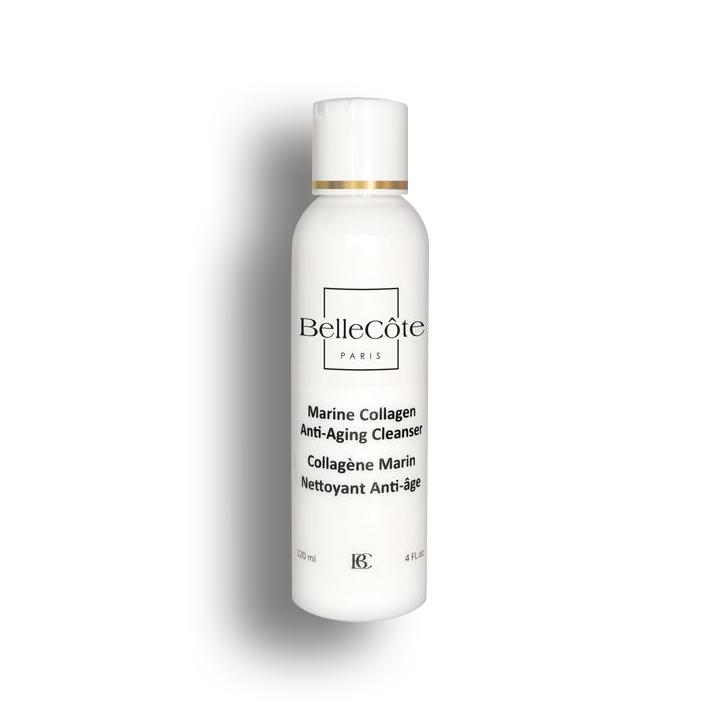


For oily skin, a nighttime routine featuring cleanser, toner, and PM Perfect serum is better. The need for moisturizer still depends on your skin and its hydration needs.
On evenings when you aren't using retinol, focus on cleansing and moisturizing. This gives your skin a break from active ingredients while helping maintain its moisture barrier.
Why Consider a Stabilized, Slow-Release Retinol Formula?
Retinol is widely used in skincare, but it presents formulation challenges. It can degrade when exposed to light, oxygen, and heat, which can affect a product's stability.
Stabilized formulations are designed to help protect retinol and maintain its performance. Slow-release approaches are intended to deliver the ingredient more gradually rather than all at once.
What Does Slow Release Mean?
A slow-release formulation is designed to release an ingredient over time. In retinol skincare, this approach may help manage delivery and reduce the potential for irritation, depending on the specific formulation.
BelleCôte's PM Perfect is a stabilized retinol serum with an exclusive slow-release formula with ferulic acid, peptides, lecithin, superoxide dismutase (SOD), and bisabolol, to be used as an overnight treatment that supports smoother-looking skin and helps improve the appearance of fine lines, uneven tone, and texture.
What to Do if Retinol Irritates Your Skin
Mild dryness or flaking may occur when starting retinol, but persistent or severe irritation isn't something to push through.
If your skin becomes irritated:
- Pause retinol until your skin has recovered.
- Use a gentle cleanser and a fragrance-free moisturizer if tolerated.
- Avoid exfoliating acids, scrubs, and other potentially irritating products while your skin settles.
- Restart less frequently only if the irritation has resolved and the product remains appropriate for you.
Stop using the product and seek medical advice if you experience significant burning, swelling, severe redness, painful peeling, or a persistent reaction.
When Should You Avoid Retinol?
Retinol isn't suitable for everyone.
- Pregnancy: According to the American Academy of Dermatology (AAD), pregnant people should avoid prescription and over-the-counter retinoids, including retinol. Speak with your healthcare professional about suitable alternatives.
- Trying to conceive or breastfeeding: Ask your healthcare professional whether retinol is appropriate for your circumstances.
- Sensitive or damaged skin: If you have eczema, rosacea, a damaged skin barrier, or ongoing irritation, seek advice before introducing retinol.
BelleCôte's advice: In this case you can use retinol only on the edges of your skin, not in the center. If you have sensitive, inflamed, or damaged skin, seek advice from a dermatologist before introducing retinol.
- Other prescription treatments: If you use prescription acne treatments or other medications that affect your skin, check with your healthcare professional before combining them with retinol.
Use broad-spectrum SPF 30 or higher every morning, regardless of whether you use retinol. Daily sun protection helps protect your skin from ultraviolet damage and supports your overall skincare routine.

How to Choose a Retinol Product
When choosing a retinol serum, look for a clearly labelled formula with straightforward usage instructions. If you're a beginner, a product designed for gradual introduction may be easier to incorporate into your routine.
Looking for a Retinol Serum?
If you're looking to upgrade your evening skincare routine, PM Perfect Advanced Recovery Night Repair Retinol Serum combines stabilized pure retinol at a concentration of 2.5% with an exclusive slow-release formula to support overnight skin renewal. Enriched with ferulic acid, peptides, lecithin, superoxide dismutase (SOD), bisabolol, and botanical oils, it helps improve the appearance of fine lines, wrinkles, pigmentation, and uneven texture for smoother, firmer, brighter-looking skin.
Apply a pea-sized amount to your face and neck at night after cleansing, then follow with your night moisturizer.
If you're new to retinol or have sensitive skin, don't assume that a product's recommended daily routine will automatically suit you from day one. Consider your skin's response and seek professional advice if you're unsure.
How Long Does Retinol Take to Work?
Retinol works gradually, and the timeline depends on the product, the concern you're addressing, and how consistently your skin tolerates it.
You may notice changes in skin texture over several weeks, while improvements in the appearance of fine lines and uneven tone can take several months. Dark spots and more pronounced pigmentation may take longer to improve, and some concerns may require a different treatment altogether.
Different retinol formulations can also vary in their stability, delivery, and tolerability.
A stabilized, slow-release formula such as PM Perfect is designed for overnight delivery. It works faster than regular retinol with no irritation.
PM Perfect dynamic formula with stabilized pure retinol, antioxidants, and skin-repairing ingredients encourages the self-renewal and healing of your skin, shedding years from your face!
You may notice changes in skin texture over a week, while improvements in the appearance of fine lines, uneven tone, and deep brown spots can take longer. Some concerns may require a different treatment altogether.
The Bottom Line: A New Approach to Your Nighttime Routine
Retinol remains a popular ingredient for addressing visible signs of ageing, uneven skin tone, and rough texture. Newer formulation approaches, including stabilization and slow-release delivery, offer additional ways to formulate retinol products for nighttime use.
BelleCôte's PM Perfect Advanced Recovery Night Repair Retinol Serum is positioned around this approach, combining stabilized retinol with antioxidants and skin-conditioning ingredients in a formula designed for overnight use.
The key is to choose a formula that suits your needs, follow its directions, and pay attention to how your skin responds. While a slow-release formulation may be designed to improve tolerability, no product can guarantee that irritation will never occur.
Moisturize regularly, and use broad-spectrum sunscreen every morning.
Disclaimer: This article is for general informational purposes only and does not constitute medical advice.
Frequently Asked Questions
0 comments